
Denim Tears Hoodie vs Plain Denim Hoodie: Making the Call
Is a graphic really worth three hundred dollars? That is the real question buried under every comparison between a Denim Tears hoodie and a plain alternative, and it deserves a straight answer rather than a shrug. Both garments do the same mechanical job: they layer over a tee, they keep you warm between roughly 8°C and 18°C, and they have a hood that sees use perhaps twice a month. Beyond that they diverge completely, from cloth weight to how long they hold their shape to what they signal before you speak. This comparison runs through the two options across cost, construction, longevity and styling range, using 2026 market estimates throughout. You will come away knowing which one earns its place, and whether honestly the answer is both.
First, Two Different Garments Share One Name
The phrase “denim hoodie” covers two genuinely distinct products, and mixing them up derails most comparisons before they even begin. The first meaning is a hooded sweatshirt made of cotton fleece, from a brand built on denim, which is the category a Denim Tears hoodie belongs to despite containing no denim at all. Meaning two: a hooded outer garment in real woven denim, typically 8 to 12 oz, effectively a hooded trucker jacket. In drape, warmth and washing denim tears cotton wreath behaviour, the two have almost nothing in common. Throughout this article, “plain denim hoodie” refers to the first sense: an logo-free or lightly branded fleece hoodie in the same family of silhouettes. The woven-denim garment is named explicitly wherever it is relevant, leaving no ambiguity.
What the Price Gap Really Buys
Since the numbers are not close, it pays to be blunt. A Denim Tears hoodie typically falls between $250 and $400 on 2026 market estimates, according to the release, the colourway and mainline versus collaboration. At the cheap end a decent plain fleece hoodie runs roughly $40 to $80, climbing to $80 to $180 from a mid-tier brand using heavier loopback cotton. That opens a gap of somewhere between $150 and $350 for what is, physically, a similar garment with a printed graphic. Genuine differences in cloth weight and finishing explain part of the premium, but the bulk is design, scarcity and the meaning attached to the cotton wreath motif. Whether that trade is sensible depends entirely on whether the motif means something to you, and any other framing is dishonest.
Cost per wear across three years
Looked at as cost per wear, the gap gives neither side a free pass. Say a hoodie you genuinely like gets worn about once a week for eight months a year, which is roughly 35 wears annually or 105 over three years. On those figures a $350 Denim Tears hoodie costs about $3.30 per wear across that period. The same rate applied to a $90 plain hoodie costs roughly $0.85 per wear, which is close to a quarter of the price. The difference shrinks if the premium piece lasts longer in the rotation or holds meaningful resale value, and it blows open if the piece goes unworn because you are protecting it. A graphic hoodie only adds up if you commit to actually wearing it, which is the practical lesson.
Fabric, Weight and How Each Ages
The price tag undersells it: construction is where the comparison gets interesting. Around 380 to 480 gsm is typical for heavyweight fleece in the premium segment, producing a hoodie that keeps its shape and hangs with structure. Nearer 260 to 340 gsm is where mass-market fleece sits: lighter, faster to dry, but more prone to shoulder collapse after a year of washing. A brushed-back interior holds up better on heavier cloth, staying soft rather than pilling into a matted surface by the second winter. Against that, a printed graphic creates a failure point that a plain hoodie does not have at all, since screen prints crack under repeated high-heat drying. In practice a properly cared-for premium piece will outlast two or three cheap ones, but only if you wash at 30°C and air dry rather than tumbling it hot.
Head-to-Head Specs
The table condenses the comparison into the factors most likely to decide the purchase. Expect the price bands to move with retailer, region and specific release, since they are broad 2026 market estimates. These are typical weights for each tier, not a confirmed spec for any one product. Lifespan figures assume weekly wear in season and the cold-wash, air-dry routine described above. Resale behaviour describes a broad market pattern for graphic-led streetwear against commodity basics, not a prediction about any individual item. Read the rows as tendencies, since a well-made plain hoodie can outperform a carelessly treated premium one on almost every line.
| What you are comparing | Denim Tears hoodie | Plain denim hoodie |
|---|---|---|
| 2026 price estimate | $250–400 | $40–180 |
| Typical cloth weight | 380–480 gsm | 260–340 gsm |
| Graphic treatment | Cotton wreath, printed or embroidered | None or small logo |
| Expected lifespan with care | 5–8 years | 2–4 years |
| Behaviour on resale | Keeps a real share of its cost | Next to nothing |
| Colourways | Restricted seasonal palette | Very wide |
Styling Range and Everyday Wear
Being a background garment is the plain hoodie’s greatest strength. It goes unnoticed under a coat, slides under a chore jacket without comment, and never competes with anything else you are wearing. The Denim Tears piece does the opposite, living in the foreground: the wreath repeat draws the eye and turns into the centrepiece of whatever it is worn with. Quiet trousers, plain shoes and calm outerwear have to do the supporting work, since everything around it must get quieter. That memorability has two sides if you see the same people several times a week. What follows lays out the exact situations in which each option is clearly the better call.
When the plain denim hoodie wins
Premium-focused advice glosses over how often this applies. Spending $300 on something worn to the gym, on dog walks or while painting the kitchen is poor allocation, plainly. Where you need multiples the plain option wins: three plain hoodies cost less than one graphic piece and the wear spreads across each. Anybody building a wardrobe around layering beneath tailored outerwear will find the lighter fleece sits far better beneath a coat. And if your own style is still forming, a neutral layer leaves room to experiment without a strong graphic deciding the outcome for you. What follows is the clearest cases, kept short.
- Situations where damage is probable, including hard-wear contexts
- As a layer beneath structured outerwear
- On a limited budget, filling out a wardrobe
- Where a large graphic reads as too casual
When the Denim Tears hoodie wins
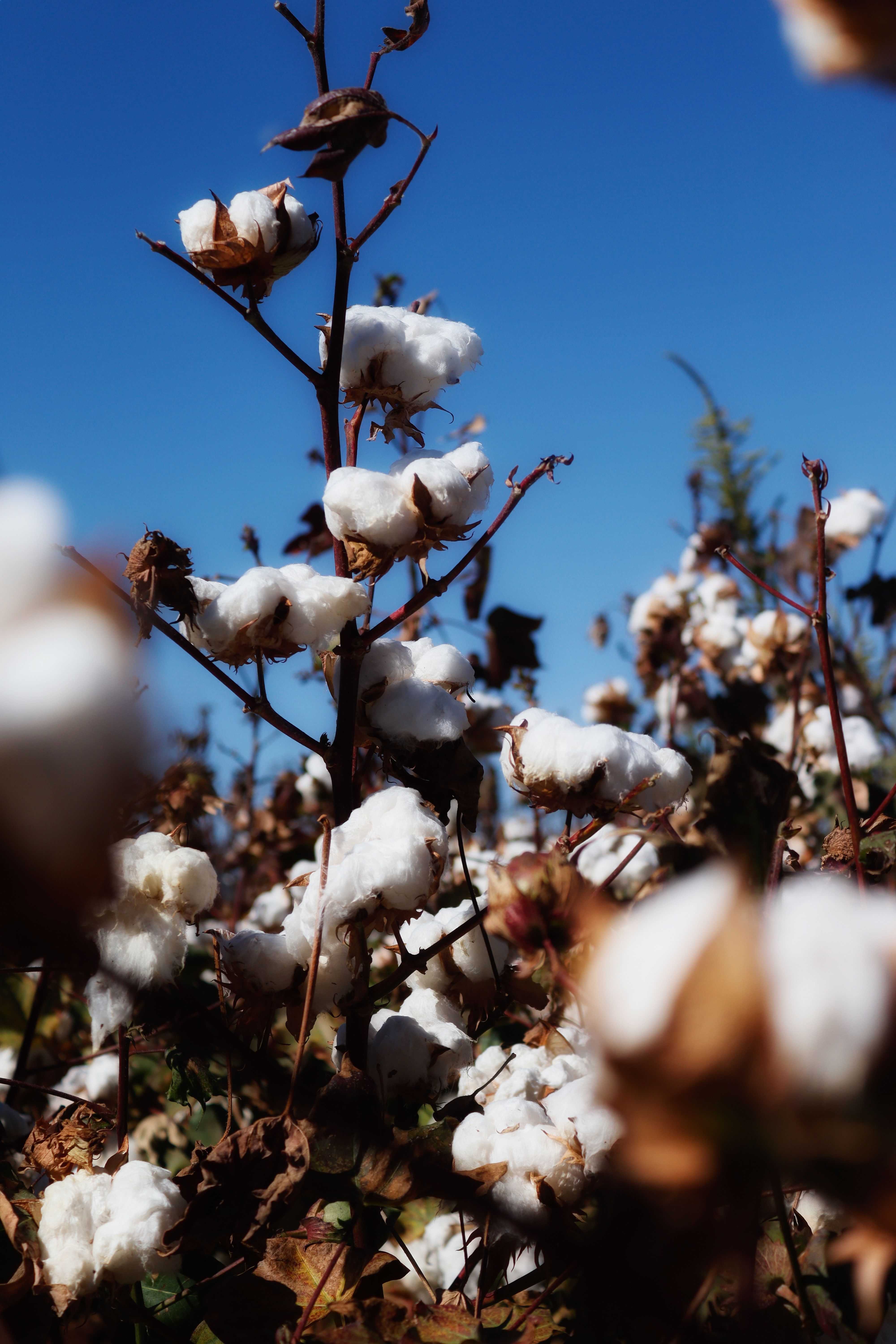
The premium option earns its place when the graphic is the point rather than a bonus attached to it. Where you want a single statement layer that anchors a wardrobe of otherwise plain pieces, this handles that job better than almost anything at the price. Heavier cloth does feel different in the hand and keeps its shape over more washes, which is a second win. The cultural side matters too: the cotton wreath points to the history of cotton and African-American experience, and for many wearers that meaning is the reason to buy rather than a bonus. Resale is a practical factor, since well-kept Denim Tears pieces, often listed as denimtears on secondary marketplaces, generally recover a meaningful share of their cost while a plain hoodie recovers essentially nothing. And finally, if you already own four plain hoodies, the marginal fifth contributes nothing new.
The Verdict, Plus the Third Option Most People Miss
The plain hoodie takes the value argument, and the Denim Tears hoodie takes everything that dollars per wear cannot measure, if you insist on a straight either-or. Rather than picking a side, the sensible route is to buy in order: two or three plain hoodies first at $40 to $180 each, covering the situations where wear and tear is guaranteed. Only once you know how you will use it, bring in a single premium graphic piece at $250 to $400. That sequence gets you a functioning rotation instead of a single expensive garment you are too nervous to wear in the rain. If your budget in 2026 stretches to only one purchase and the meaning of the motif genuinely matters to you, buy the graphic piece and commit to wearing it weekly. Where it does not, the honest advice is $120 on a heavyweight plain hoodie, and put the rest somewhere it does more work.